Tyre Balancing in Townsville
- Established in 2013
- Clear Repair Advice
- Servicing & Tyres
Send Us a Message
Contact Us
Thank you for contacting Rasmussen Mechanical & Tyres.
We will get back to you as soon as possible.
Oops, there was an error sending your message.
Please try again later.
Take the Shake Out of Driving
Drive Safer, Smoother & Smarter
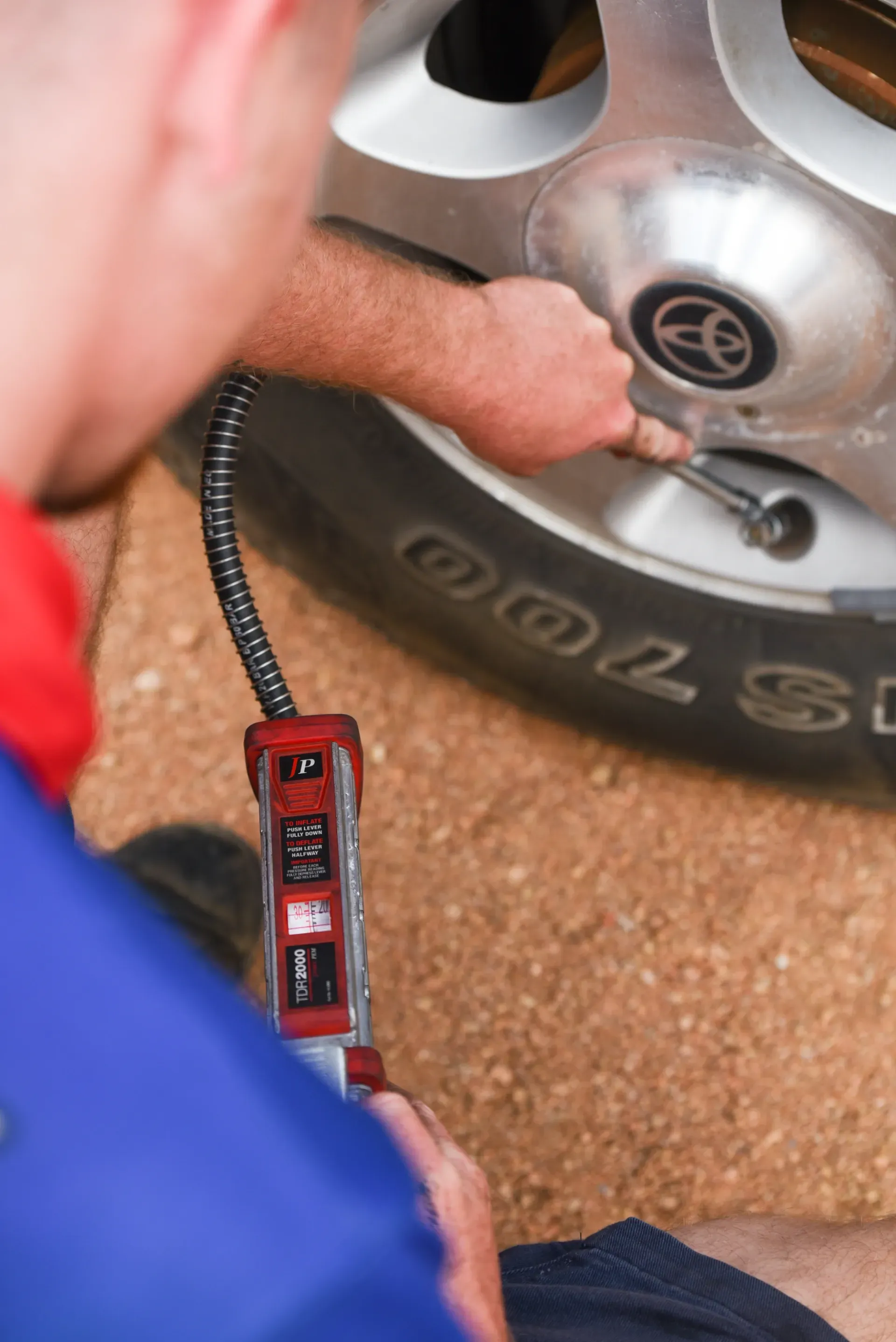
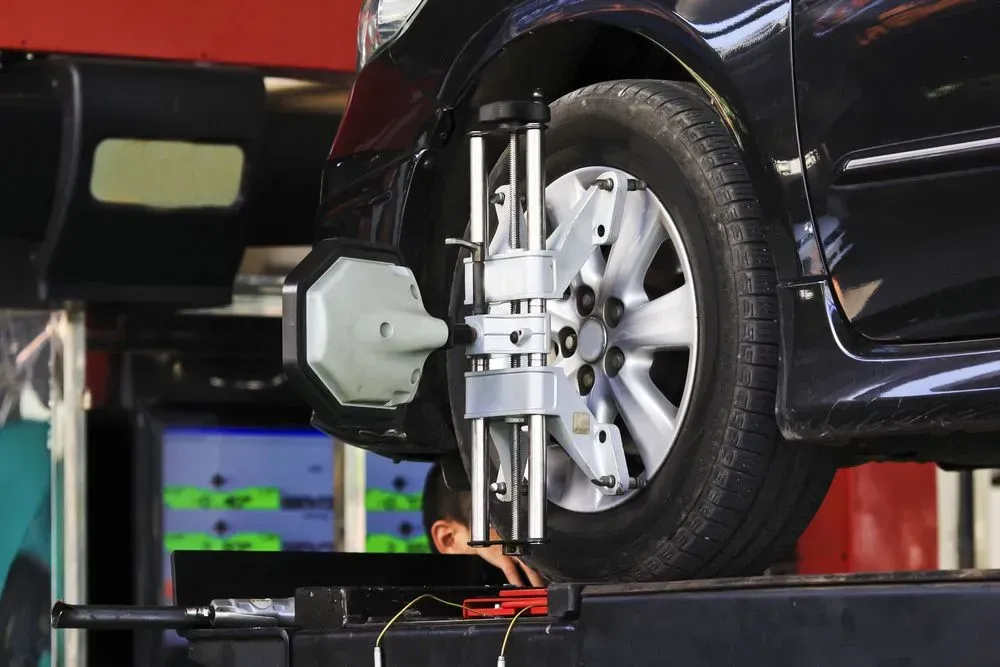
A steering wheel that shakes on a smooth road can make an otherwise comfortable drive tiring. At Rasmussen Mechanical & Tyres, we provide tyre balancing in Townsville, correcting uneven weight distribution in wheel and tyre assemblies to help reduce vibration. Our technicians use balancing equipment to identify the adjustments needed, then position small weights to counter the imbalance.
This precise work supports smoother driving and helps limit wear associated with an out-of-balance assembly. Whether the vibration has appeared recently or you’re organising new tyres, we offer efficient service, competitive pricing and clear advice about the work required.
Tell us when the vibration occurs and whether you feel it through the steering wheel, seat or floor. Mention any recent tyre fitting, repairs or road impacts so we have useful details before assessing the concern. Call
0402 675 290 to arrange a tyre balancing assessment.
Precise Balancing
Reduced Vibration
Smoother Driving
Ongoing Tyre Care
Help Your Tyres Wear Well
Balancing is worth considering as part of tyre maintenance, rather than only when a noticeable shake develops. An imbalance can contribute to uneven wear and place unnecessary strain on related components, while correcting it helps the assembly rotate smoothly.
We provide balancing alongside tyre installations, repairs and wheel bearing services, making it convenient to discuss several concerns during one workshop visit. If your tyres are wearing unevenly, we’ll explain why the cause needs assessment: balancing addresses weight distribution, while alignment, inflation and mechanical condition can also affect wear.
We’ll help you understand the recommended work without assuming every vibration has the same cause. If you’re also replacing or repairing tyres, ask us about organising balancing at the same time. Reach out to Rasmussen Mechanical & Tyres to book your workshop visit.
Contact us
Send Us a Message
Contact Us
Thank you for contacting Rasmussen Mechanical & Tyres.
We will get back to you as soon as possible.
Oops, there was an error sending your message.
Please try again later.
FAQs
Everything You Need To Know
What are the signs that tyres need balancing?
Vibration through the steering wheel, seat or vehicle body — particularly at certain road speeds — can indicate that a wheel and tyre assembly is out of balance. Uneven tyre wear may also warrant an assessment. These symptoms don't confirm an imbalance on their own, because tyre damage, wheel condition and worn mechanical components can produce similar effects.
Note when the vibration begins, whether it changes with speed and if it appeared after tyre work or an impact. A professional inspection and balance check help establish the appropriate next step instead of relying on the sensation alone.
What happens during tyre balancing?
Tyre balancing assesses the combined tyre and wheel, rather than the tyre alone. The assembly is mounted on a balancing machine, which measures imbalance as it rotates and identifies where correction weights are needed. The technician adds or adjusts the weights and checks the result.
The aim is to counter uneven weight distribution so the assembly rotates more smoothly. Balancing doesn't change wheel alignment angles or repair a damaged tyre, bent wheel or worn suspension component. If another issue is identified, it may need separate attention before the vibration can be resolved.
Is tyre balancing the same as wheel alignment?
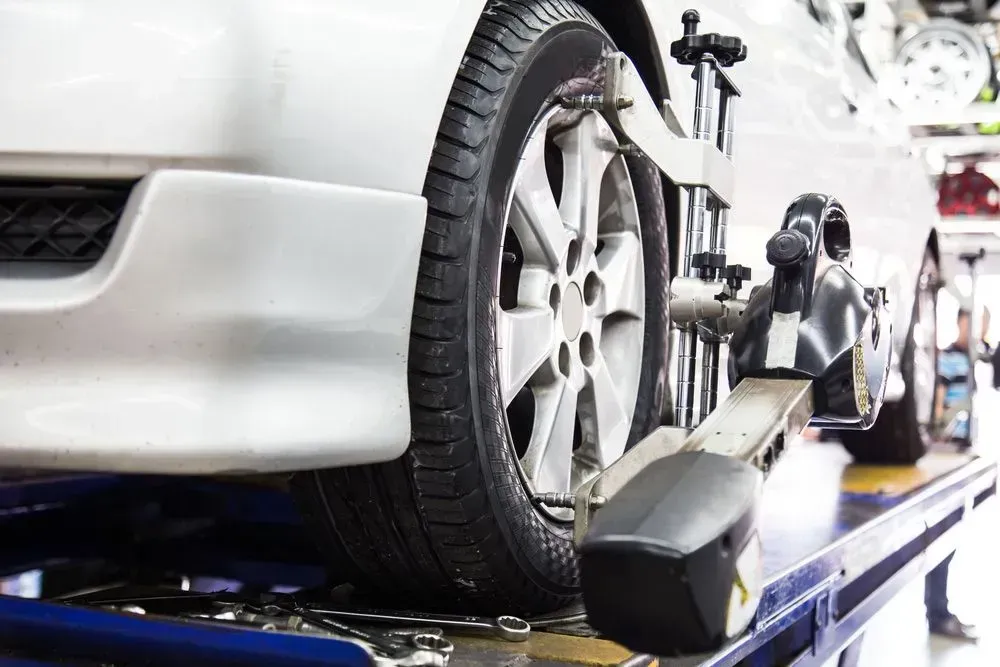
Tyre balancing and wheel alignment address different things. Balancing corrects uneven weight distribution in each wheel and tyre assembly using small counterweights. Alignment adjusts wheel and steering geometry to the vehicle manufacturer’s specifications. An imbalance commonly causes vibration, while alignment concerns may involve pulling to one side, an off-centre steering wheel or uneven wear.
Symptoms can overlap, and other faults may also be involved, so an assessment is useful before choosing a service. A vehicle may need balancing, alignment or both; completing one doesn't automatically correct an issue addressed by the other.


